

Kundalini Yoga in Rishikesh
Kundalini Yoga in Rishikesh is an ancient yogic science that focuses on awakening the dormant spiritual energy known as Kundalini Shakti, located at the base of the spine. This powerful energy lies coiled like a serpent, and through traditional practices such as asanas, pranayama, mantra chanting, bandhas, mudras, and meditation, it begins to rise through the body’s chakras (energy centers).
Kundalini Yoga Teacher Training in Rishikesh (100 & 200 Hours)
Our Kundalini Yoga TTC in Rishikesh includes both theoretical knowledge and extensive practical training. The course is designed to help you understand Kundalini, chakras, prana, and the deeper science of yogic awakening.
What is Kundalini Yoga?
Kundalini Yoga is a powerful and spiritual form of yoga. It focuses on awakening the hidden energy inside our body. This energy is called “Kundalini.” It is believed to rest at the base of the spine like a sleeping snake.
When you practice Kundalini yoga in Rishikesh, you learn special breathing techniques, chanting, meditation, and body movements. These practices help to move energy through the seven chakras of the body. When energy flows freely, a person feels happy, calm, and strong from inside.
Kundalini Yoga is not only about exercise. It is about mind, body, and soul connection. It helps a person understand themselves better.
Why Choose Rishikesh for Kundalini Yoga?
Rishikesh is a holy city located near the River Ganga. It is surrounded by mountains and natural beauty. Saints and yogis have practiced meditation here for thousands of years. The peaceful environment makes it the perfect place for spiritual learning.
When you practice Kundalini yoga in Rishikesh, you learn in a pure and traditional environment. The fresh air, sound of the river, and calm atmosphere help you focus better.
Many experienced yoga teachers live here. They teach ancient yoga knowledge in a simple and practical way. This is why students from all over the world choose Rishikesh.
What Happens in a Kundalini Yoga Class?
A typical class of Kundalini yoga in Rishikesh is different from regular yoga classes. It includes many parts that work together.
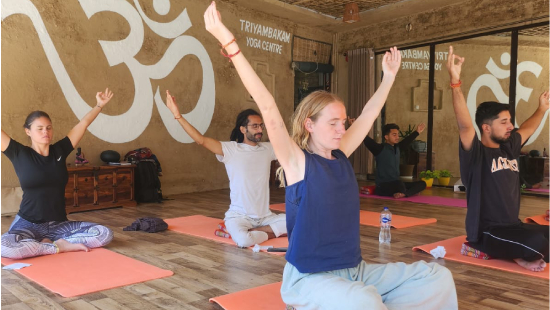
First, the teacher guides students with warm-up exercises. Then breathing exercises called pranayama are practiced. After that, students perform a kriya. A kriya is a special set of movements, breathing, and chanting. Each kriya has a different purpose, like improving confidence or reducing stress.
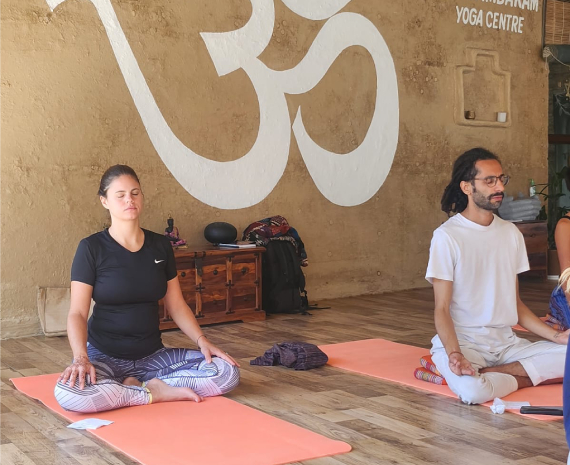
Meditation is an important part of the class. Students sit quietly and chant mantras. The vibrations of the mantra calm the mind. In the end, there is deep relaxation.
This full process makes Kundalini yoga powerful and transformative.
Understanding Kundalini Yoga – Learn about the history of Kundalini Yoga and its founder.
The different traditions in Kundalini yoga and what separates it from other, mainstream yoga practices.
History & Origin
Study the roots of Kundalini Yoga from ancient Vedic and Tantric scriptures.
Learn the lineage and philosophy behind traditional Kundalini traditions.
Different Traditions of Kundalini Yoga
Explore classical Kundalini, Tantra, and Laya Yoga.
Understand how Kundalini Yoga differs from other modern yoga styles.
Traditional Kundalini Yoga Asanas
Below is a complete list of traditional asanas taught during the Kundalini Yoga TTC in Rishikesh.
- Pawanmuktasana Series 1 (Preparation for traditional asana)
- Pawanmuktasana series 2 (Intermediate preparatory practices)
- Pawanmuktasana series 3 (Advance Preparatory practice)
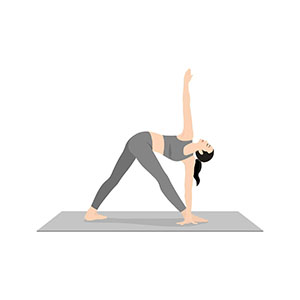
- Trikonasana (triangle pose) to awake the fire centre
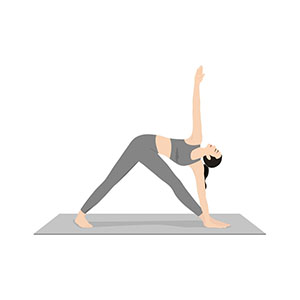
- Parivirtatrikon asana – revolving triangle pose- to twist the energy
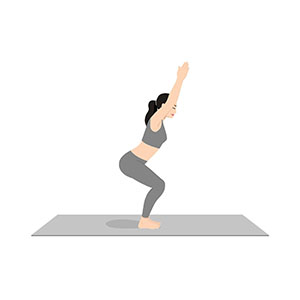
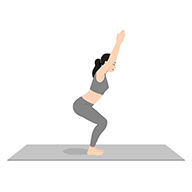
- Uttkatasana –chair pose- strengthening the base
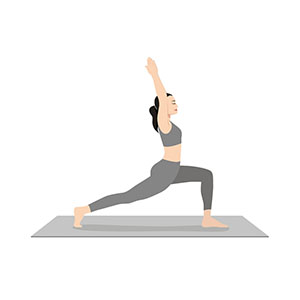
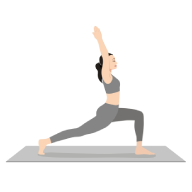
- Virbhdrasana 1 -warrior 1- strengthening masculine energy
- Virbhdrasana 2 -warrior 2- strengthening masculine energy
- Virbhdrasana 3 -warrior 3- strengthening masculine energy
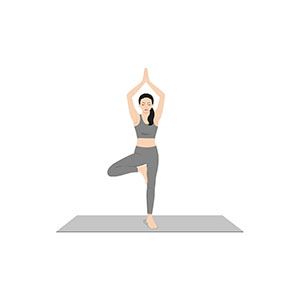
- Vriksasana – tree pose- to balance the energy
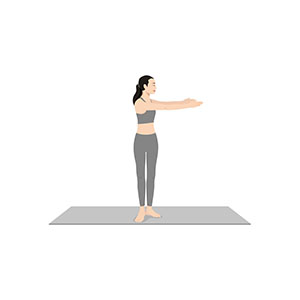
- Parvatasana – mountain pose- to still the energy
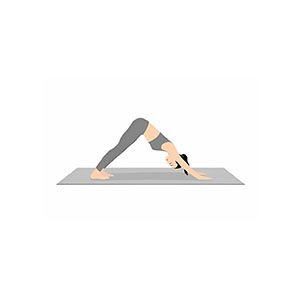
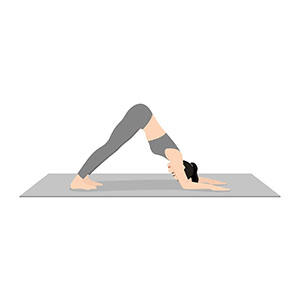
- Adho mukha svanasana – downward facing dog- receive steadiness
- Kati chakrasana – waist rotating pose- to free energy
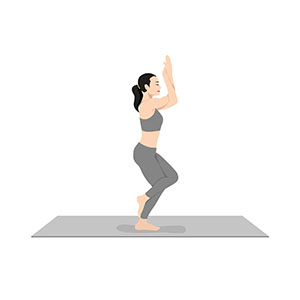
- Garudasana – eagle pose- balancing energy
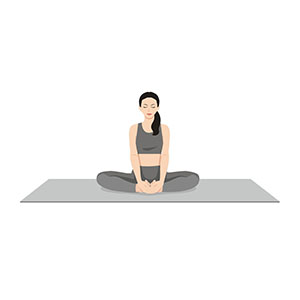
- Baddha Konasana- bound angle pose- hip opening to release tension in muladhar chakr
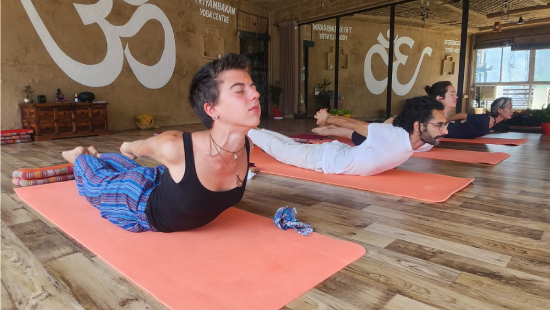
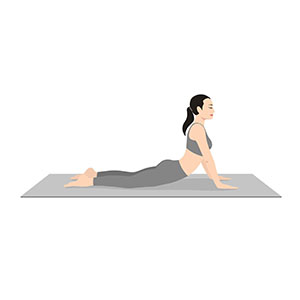
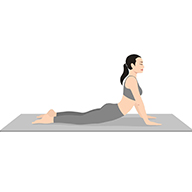
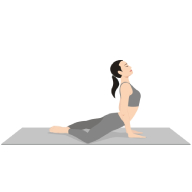
- Bhujangasana a(Cobra pose- to awake heart chakra)
- Prarthanasana (The prayer pose -to have reverence)
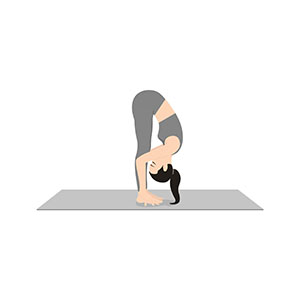
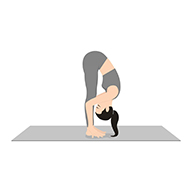
- Padahastasana (The standing forward bend – to awake Muladhar Chakra)
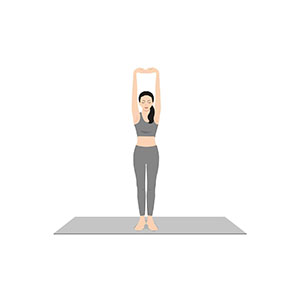
- Tadasana (The Tree Pose – for nourishing our spiritual aspiration)
- Trikonasana (The Triangle pose)
- Sahaja Agnisar Dhauti (Awakening inner fire – in Manipura Chakra)
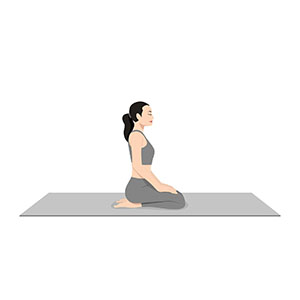
- Vajrasana (Thunderbolt pose -to cleanse Vajra nadi to promote ascendance of the sexual energy towards upper chakras)
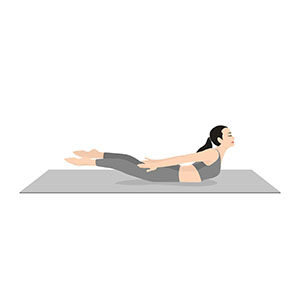
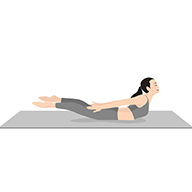
- Shalabhasana (The Locust pose –Increases the blood supply to the sacrum and lower back)
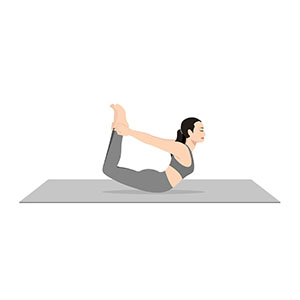
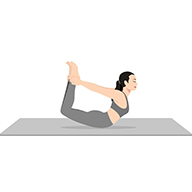
- Dhanurasana (The Bow pose – remove constipation and improve digestion)
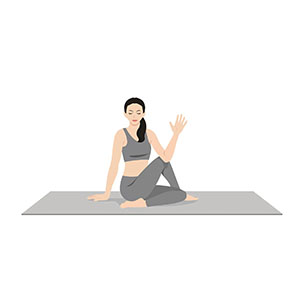
- Ardha Matsyendrasana (The Lord of the Fishes pose)
- Uddiyana Bandha (Upward flying lock)
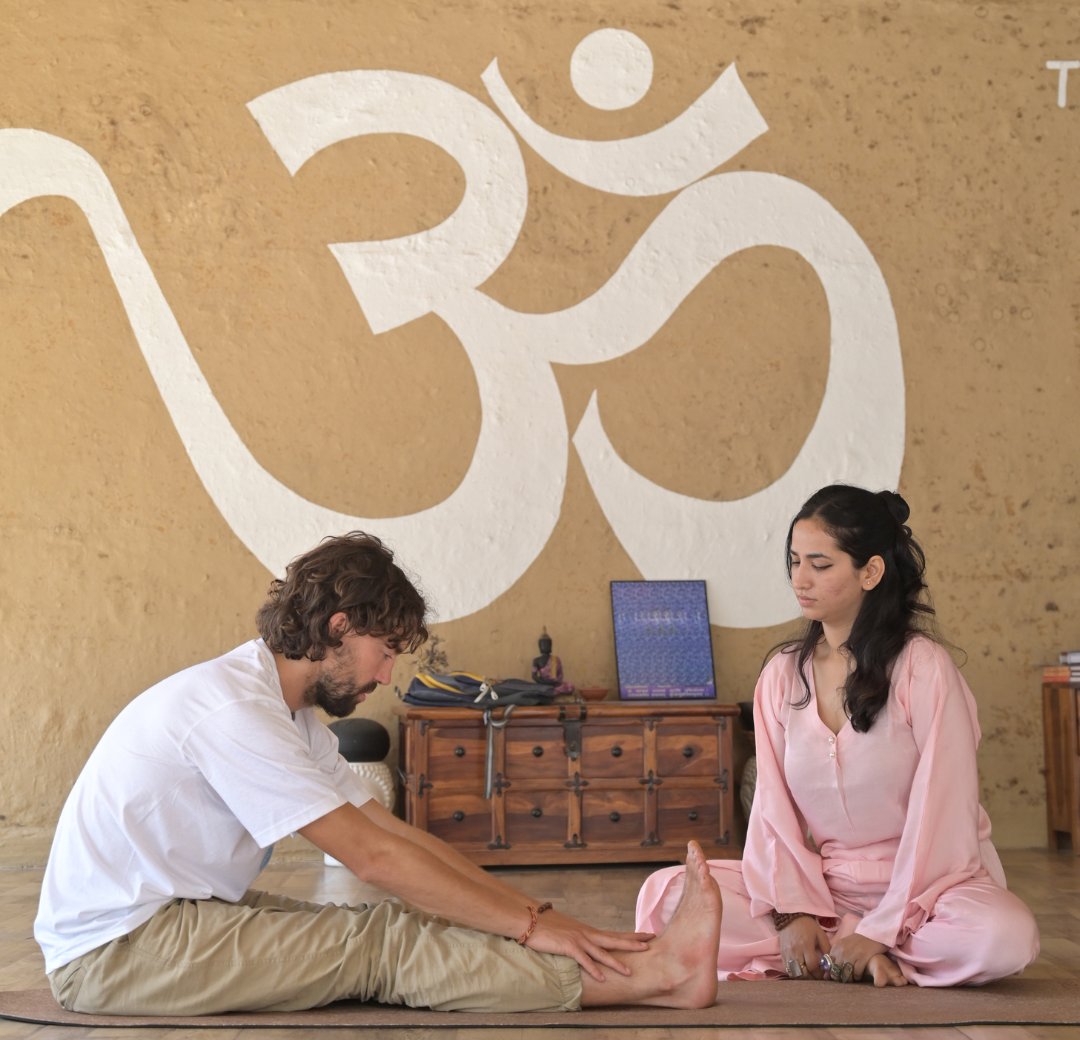
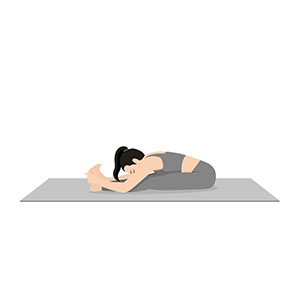
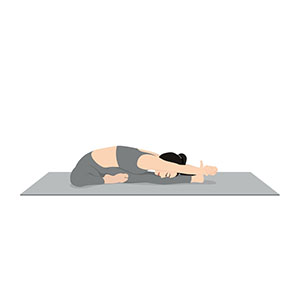
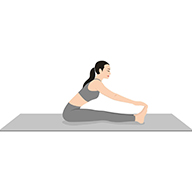
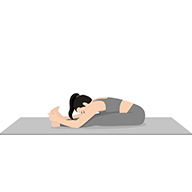
- Paschimottanasana (The back stretching pose)
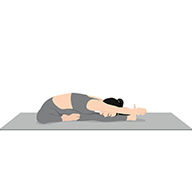
- Janushirshasana (The head to knee pose- eliminate laziness and weakness)
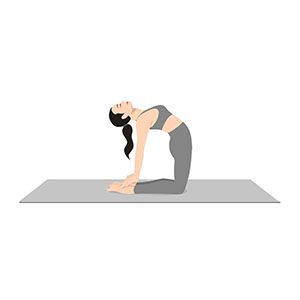
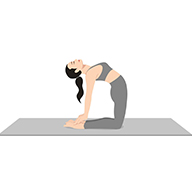
- Ushtrasana (The Camel Pose-arousing Manipura chakra)
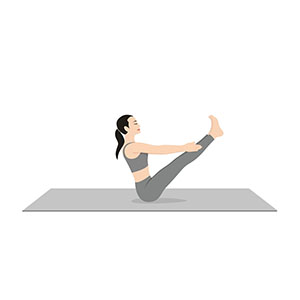
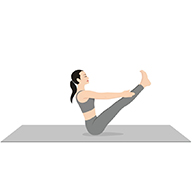
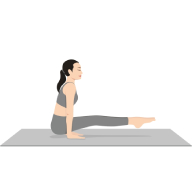
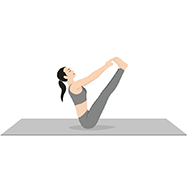
- Naukasana (The boat pose – alleviates anxiety and nervousness)
- Supta Vajrasana (The Reclining Thunderbolt pose – guides the sexual energy through Vajra nadi towards brain)
- Garudasana (The Eagle pose – improve balance and co-ordination)
- Nauli Kriya (The Navel Cleansing- Balance the three humours of the body kapha-vata-pitta)
- Ardha Shirshasana (Half head stand- rejuvenate the brain cells)
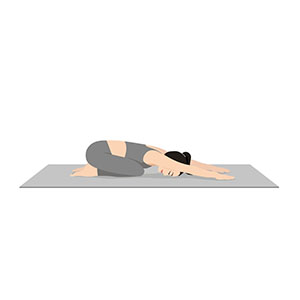
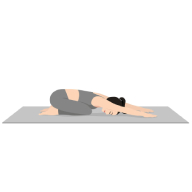
- Shashankasana (The Hare pose – remove stress, arrogance, selfishness and anger)
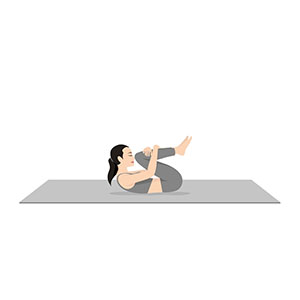
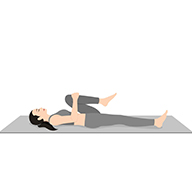
- Pavanamuktasana (Massages the internal organ and decongests the liver and sexual organs)
Postures
Pawanmuktasana
Trikonasana
Parivirtatrikon asana
Uttkatasana
Virbhdrasana
Vriksasana
Parvatasana
Adho mukha svanasana
Kati chakrasana
Garudasana
Baddha Konasana
Bhujangasana
Prarthanasana
Padahastasana
Tadasana
Vajrasana
Shalabhasana
Dhanurasana
Ardha Matsyendrasana
Uddiyana Bandha
Paschimottanasana
Janushirshasana
Ushtrasana
Naukasana
Supta Vajrasana
Ardha Shirshasana
Shashankasana
Postures
Archer pose (Virbhadrasana)
Back rolls
Strectch backward
Boat pose
Bow pose
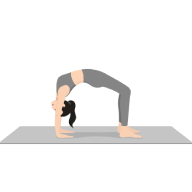
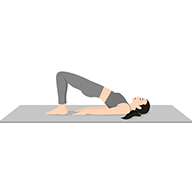
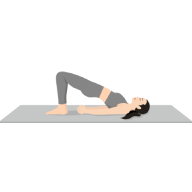
Bridge pose
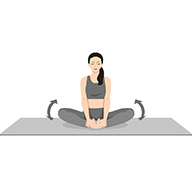
Butterfly pose
Camel pose
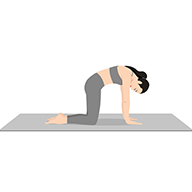
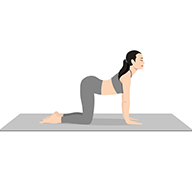
Cat –cow
Cat stretch
Cobra pose
Chair pose
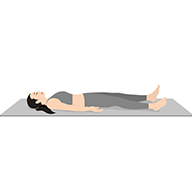
Corpse pose
Celibate pose
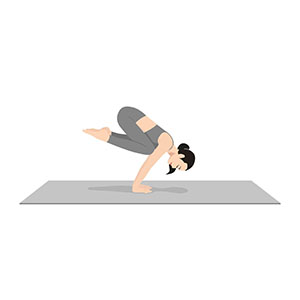
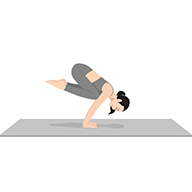
Crow pose
Guru pranam
Ego eradicator
Frog pose
Front bends
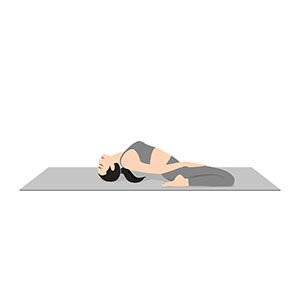
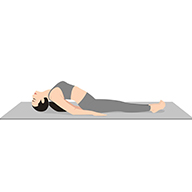
Fish pose
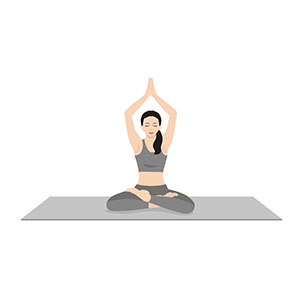
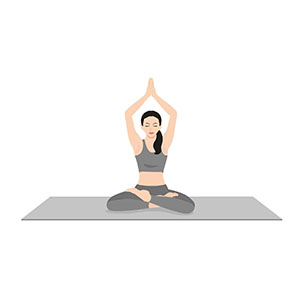
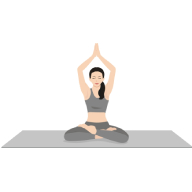
Kundalini lotus
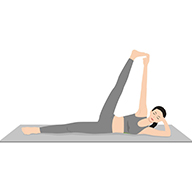
Leg lift
Lift nerve stretch
Life nerve stretch
Locust pose
Neck rolls
Maha mudra kriya
Pelvic lifts
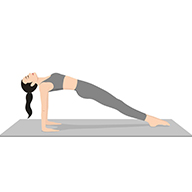
Platform pose (front)
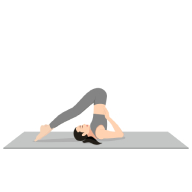
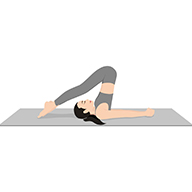
Plow pose
Platform pose (back)
Sat kriya
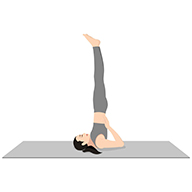
Shoulder stand
Shoulder Shrugs
Sitting bends
Who Can Practice Kundalini Yoga?
Anyone can practice Kundalini Yoga. You do not need to be very flexible. You do not need previous yoga experience. Beginners are always welcome.
When you join a program for Kundalini yoga in Rishikesh, teachers guide you step by step. They explain everything in a simple way. Even older people can practice safely under guidance.
Best time to learn Kundalini Yoga in Rishikesh
The best time to learn Kundalini yoga in Rishikesh is from September to April. During this time, the weather is pleasant. It is not too hot or too cold.
Many yoga retreats and teacher training programs are organized during these months. The environment becomes more spiritual because many yoga lovers gather here.
Why Choose Triyambakam Yoga Centre?
Triyambakam Yoga Centre is one of the trusted places for learning Kundalini Yoga. The teachers here are experienced and friendly. They focus on traditional teachings with modern comfort.
At Triyambakam Yoga Centre, students get personal attention. The classes are small, so everyone can learn properly. The centre also offers peaceful accommodation and healthy satvik food.
If you truly want to experience authentic Kundalini yoga in Rishikesh, this centre can be a good choice for you.
Benefits of Kundalini Yoga
Practicing Kundalini yoga in Rishikesh can give many benefits. These benefits are physical, mental, and spiritual.
- Physical Benefits
Kundalini yoga improves flexibility and strength. It also helps in better breathing and blood circulation. Many people feel more energetic after regular practice.
- Mental Benefits
This yoga reduces stress and anxiety. It helps you think clearly and stay focused. Students often say they feel more confident and positive.
- Spiritual Benefits
The biggest benefit of Kundalini yoga in Rishikesh is spiritual growth. You start understanding your true self. You feel more connected with nature and the universe.
Kundalini philosophy
Introduction and understanding of what a Kundalini chakra is.
The 7 types of chakras involved in the Kundalini awakening process and the relations between sex and Kundalini.
The 7 chakras that Kundalini Yoga awakens are
- Location: Base of the spine
- Color: Red
- Element: Earth
- Associated Qualities: Survival, security, stability, grounding
- Imbalance: Fear, insecurity, instability, physical issues related to the legs, feet, and lower back

- Location: Lower abdomen, just below the navel
- Color: Orange
- Element: Water
- Associated Qualities: Creativity, sexuality, pleasure, emotional balance
- Imbalance: Guilt, emotional instability, sexual dysfunction, issues with reproductive organs

- Location: Upper abdomen, around the navel area
- Color: Yellow
- Element: Fire
- Associated Qualities: Personal power, self-confidence, willpower, digestion
- Imbalance: Low self-esteem, lack of confidence, digestive issues, feeling of owerlessness

- Location: Center of the chest, near the heart
- Color: Green (sometimes represented with pink)
- Element: Air
- Associated Qualities: Love, compassion, forgiveness, relationships
- Imbalance: Grief, jealousy, aresentment, heart-related issues, difficulty in forming relationships

- Location: Throat area
- Color: Blue
- Element: Ether (Space)
- Associated Qualities: Communication, self-expression, truth, authenticity
- Imbalance: Difficulty expressing oneself, throat-related issues, communication problems, feeling unheard

- Location: Center of the forehead, between the eyebrows
- Color: Indigo (Dark Blue)
- Element: Light
- Associated Qualities: Intuition, perception, insight, imagination
- Imbalance: Lack of clarity, confusion, poor intuition, headaches, sinus issues

- Location: Top of the head
- Color: Violet or White
- Element: Thought
- Associated Qualities: Spirituality, connection to the divine, enlightenment
- Imbalance: Disconnection from spirituality, closed-mindedness, feeling disconnected from the universe
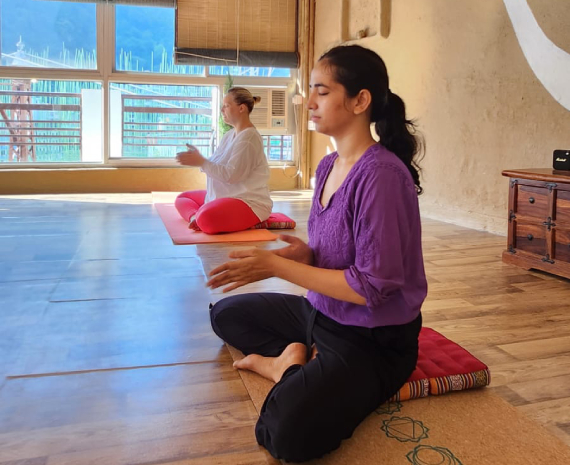
- Kundalini meditation – Students will learn how to prepare the foundations of a kundalini meditation. Develop concentration and the art of cleaning and opening chakras
- Kundalini Pranayama – Dynamic breathing practices like Kapal Bhati, Bhastrika, Bhramari, spinal breathing etc. for a prolonged, smooth breathing; opening up of the third eye; emotional cleansing and stability
- Kundalini anatomy
- Nadis/Energy channel
- Chakras
- Panchakosha (5 sheaths)
- Respiratory system
- Swadhisthan Chakra
- Nervous system
How Kundalini Yoga Changes Your Life
Many students say that after practicing Kundalini yoga in Rishikesh, they feel like a new person. Their anger reduces. Their sleep improves. They feel peaceful without any reason.
This yoga teaches self-love and awareness. You start listening to your inner voice. Slowly, fear and confusion go away.
The experience of practicing near the holy Ganga River makes the journey even more powerful.
Is Kundalini Yoga Safe?
Yes, it is safe when practiced under trained teachers. In Rishikesh, most yoga schools follow proper guidance and safety rules.
If you have any medical problem, you should inform your teacher. They will adjust the practice according to your body condition.
Naturopathy – A form of alternate therapy that is based on the body’s inherent ability to heal itself
- Mud Therapy – Mud posses natural healing properties that can be beneficial for treating various health conditions
- Massage therapy – A centuries old practice that promotes relaxations, improves circulation, reduces pain and enhances overall well-being
Naturopathy – A form of alternate therapy that is based on the body’s inherent ability to heal itself
- Mud Therapy – Mud posses natural healing properties that can be beneficial for treating various health conditions
- Massage therapy – A centuries old practice that promotes relaxations, improves circulation, reduces pain and enhances overall well-being
Detox Therapy – A cleansing practice using herbs that aimed at removing toxins from the body
Schedule
- The class starts at 6 am
- Breakfast 8:30 am to 9 am
- Lunch 1 pm
- Dinner 8:30 pm
- lights off 9 pm
FAQ - Kundalini Yoga in Rishikesh
You can start with 30 to 60 minutes daily. Consistency is more important than long hours.
No special clothes are required. Wear comfortable cotton clothes.
Yes, beginners can easily join classes of Kundalini yoga in Rishikesh. Teachers guide step by step.
Yes, beginners can easily start. In Kundalini yoga in Rishikesh, teachers guide step by step, so no previous experience is needed.
Bring comfortable clothes, a water bottle, and an open mind. Most centres providing Kundalini yoga in Rishikesh give yoga mats and other basic facilities.