

Stress, poor sleep, mental fatigue, and constant distractions have become a part of daily life for many people. As a result, more individuals are turning to traditional wellness practices that support both mental and physical health. Among these practices, understanding the Yoga Nidra Benefits can help people discover a simple yet effective way to bring balance into their lives.
The growing interest in Yoga Nidra Benefits comes from the unique experience this practice offers. Unlike regular sleep or conventional meditation, Yoga Nidra guides the body into a state of complete relaxation while the mind remains gently aware. Often called “Yogic Sleep,” it creates an opportunity for deep rest without losing consciousness, making it a valuable practice for those seeking calmness, clarity, and inner balance.
Yoga Nidra has been practiced within yogic traditions for centuries and is now taught in yoga studios, wellness centers, and meditation programs across the world. Its accessibility makes it suitable for beginners as well as experienced practitioners.
Understanding How Yoga Nidra Works
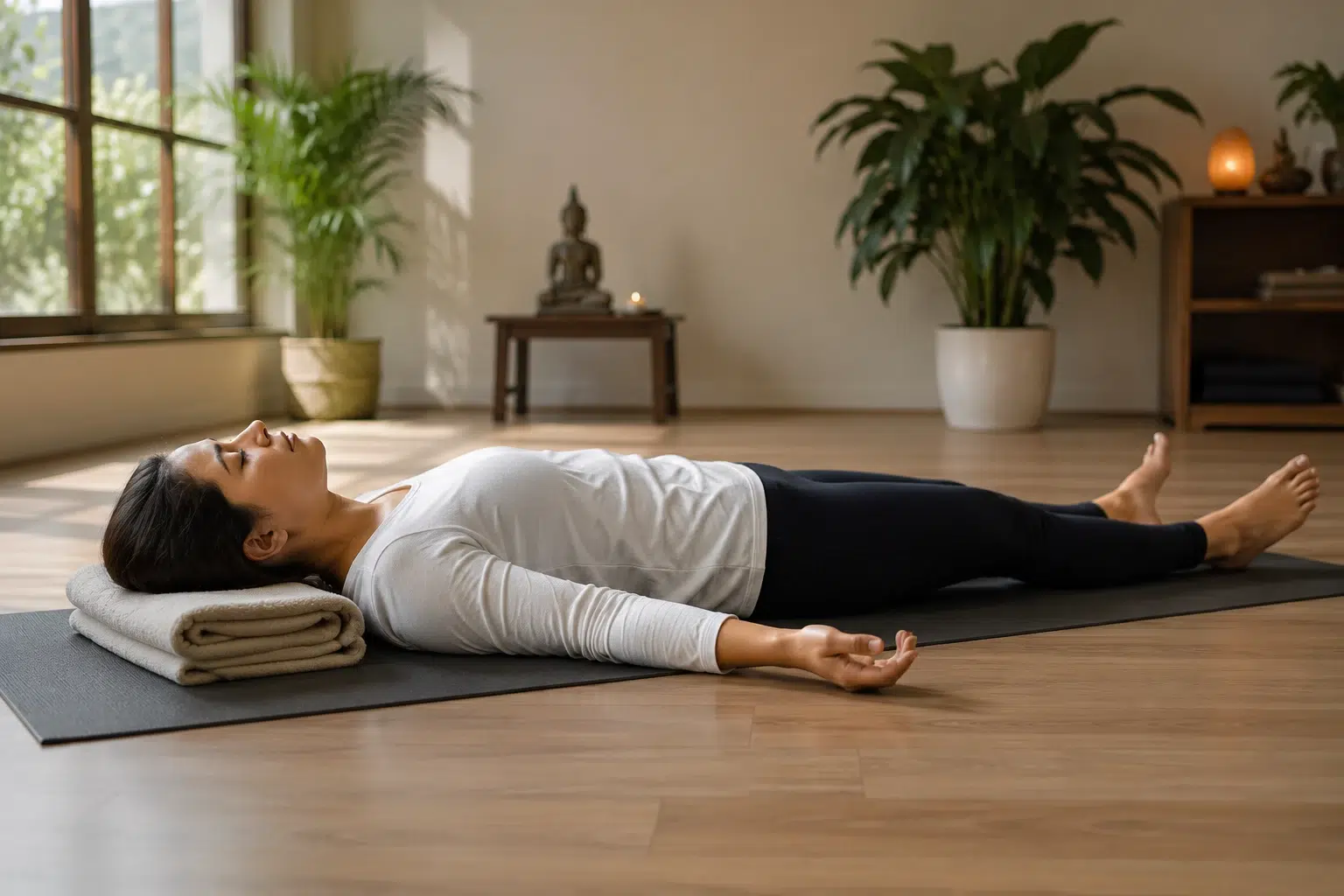
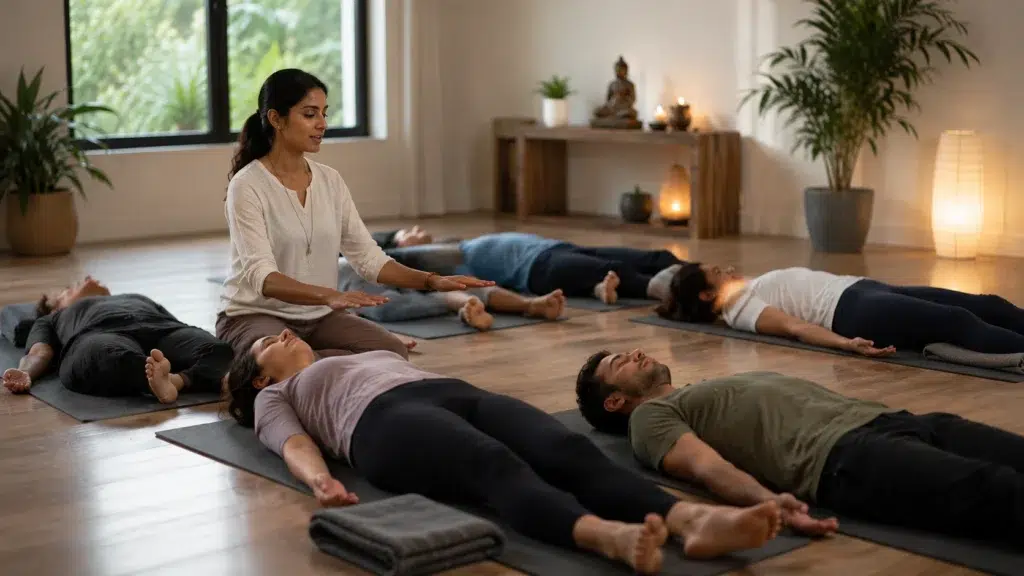
Yoga Nidra is usually practiced while lying comfortably on the back in a relaxed position. A teacher or guided recording leads the practitioner through different stages of awareness, helping attention move systematically through the body and mind.
As awareness shifts inward, the body begins to release unnecessary tension. Breathing naturally becomes calmer, muscles relax, and mental activity slows down. This process allows the practitioner to experience a level of rest that is often difficult to achieve during a busy day.
Because the practice requires very little physical effort, it can be enjoyed by people of different ages and fitness levels. The focus is not on controlling thoughts but on observing them with ease while remaining deeply relaxed.
Key Yoga Nidra Benefits at a Glance
| Yoga Nidra Benefit | How It Supports Well-Being |
|---|---|
| Stress Relief | Helps calm the nervous system |
| Better Sleep | Encourages deeper rest and relaxation |
| Mental Clarity | Supports focus and clear thinking |
| Emotional Balance | Helps manage emotional stress |
| Physical Relaxation | Releases muscular tension |
| Increased Energy | Promotes a refreshed feeling |
| Self-Awareness | Deepens inner understanding |
| Mind-Body Connection | Encourages greater awareness of overall health |
Yoga Nidra Benefits for Stress Relief
One of the most appreciated Yoga Nidra Benefits is its ability to help reduce stress. Daily responsibilities, work commitments, family obligations, and continuous stimulation from technology can leave the mind feeling overwhelmed.
During Yoga Nidra, the body is given permission to rest completely. As physical tension decreases, the mind also begins to settle. This state of relaxation can create a feeling of ease that extends beyond the practice itself.
Regular sessions may help individuals respond to challenges with greater calmness rather than reacting from a place of stress. Over time, this can contribute to a more balanced and peaceful state of mind.
People who include Yoga Nidra in their routine often describe feeling lighter, calmer, and more grounded after each session. These experiences are among the reasons why Yoga Nidra continues to gain recognition as a valuable relaxation practice.
Yoga Nidra Benefits for Better Sleep Quality
Quality sleep plays an essential role in maintaining good health. However, many people find it difficult to switch off their thoughts at the end of the day. Mental activity, worries, and stress can interfere with the body’s natural ability to rest.
Among the various Yoga Nidra Benefits, improved sleep quality is one of the most commonly reported experiences. The practice encourages deep relaxation, helping the mind move away from constant thinking and into a quieter state.
Unlike activities that may seem relaxing but continue to stimulate the mind, Yoga Nidra creates an environment where both body and mind can unwind fully. Practicing before bedtime can help establish a calming routine that supports restful sleep.
How Yoga Nidra Supports Healthy Sleep
| Common Sleep Concern | How Yoga Nidra May Help |
|---|---|
| Difficulty Falling Asleep | Encourages relaxation before bedtime |
| Restless Nights | Helps calm mental activity |
| Waking Frequently | Supports deeper relaxation |
| Mental Exhaustion | Promotes restorative rest |
| Stress Before Sleep | Helps release accumulated tension |
Yoga Nidra Benefits for Emotional Balance
Emotional well-being is just as important as physical health. Daily pressures, personal challenges, and unexpected situations can affect mood and emotional stability.
One of the valuable Yoga Nidra Benefits is the opportunity it provides to observe thoughts and emotions without judgment. Rather than becoming caught up in emotional reactions, practitioners learn to witness their experiences with greater awareness.
This gentle process can help create space between emotions and responses. As awareness develops, many individuals find it easier to navigate difficult situations with patience and clarity.
Emotional balance does not mean avoiding feelings. Instead, it involves understanding them more clearly. Yoga Nidra supports this process by encouraging a calm and accepting state of awareness.
Yoga Nidra Benefits for Mental Clarity and Concentration
A busy mind can make it difficult to focus on daily tasks. Whether studying, working, or managing responsibilities, mental fatigue often reduces productivity and concentration.
The deep relaxation experienced during Yoga Nidra gives the mind an opportunity to rest from constant stimulation. When mental tension decreases, clarity naturally improves.
Many practitioners notice that after a session they feel more focused and mentally refreshed. Tasks that previously felt overwhelming may seem easier to manage because the mind is no longer carrying the same level of mental fatigue.
For students, professionals, and anyone who spends long hours concentrating, this is one of the most practical Yoga Nidra Benefits.
Yoga Nidra Benefits for Physical Relaxation
The effects of stress are not limited to the mind. They often appear in the body through tight muscles, tension in the shoulders and neck, headaches, and feelings of physical exhaustion.
Yoga Nidra guides awareness throughout the body, encouraging each area to soften and relax. As attention moves systematically from one part of the body to another, stored tension can begin to release.
This process often leaves practitioners feeling physically lighter and more comfortable. The sense of ease experienced after a session can support overall well-being and help the body recover from the demands of daily life.
Physical Wellness Benefits of Yoga Nidra
| Physical Area | Potential Benefit |
|---|---|
| Muscles | Encourages relaxation |
| Energy Levels | Supports a refreshed feeling |
| Physical Tension | Helps reduce discomfort |
| Body Awareness | Strengthens mind-body connection |
| Overall Comfort | Promotes relaxation throughout the body |
Yoga Nidra Benefits for Self-Awareness
Modern life often moves quickly, leaving little time for reflection. Yoga Nidra creates a quiet space where attention can turn inward.
As practitioners become more aware of their thoughts, habits, and emotional patterns, they often gain valuable insights into themselves. This greater understanding can support personal growth and mindful decision-making.
Self-awareness is not something that develops overnight. It grows gradually through consistent observation and reflection. Yoga Nidra provides an environment where this process can unfold naturally.
Many experienced practitioners value Yoga Nidra not only for relaxation but also for the deeper sense of connection it can create with oneself.
Who Can Practice Yoga Nidra?
One of the strengths of Yoga Nidra is its accessibility. Since the practice does not require advanced flexibility, strength, or previous yoga experience, it can be adapted for a wide range of individuals.
| Group | Why It May Be Helpful |
|---|---|
| Working Professionals | Supports relaxation after demanding schedules |
| Students | Encourages focus and mental calmness |
| Parents | Provides time for rest and self-care |
| Seniors | Offers gentle relaxation without physical strain |
| Yoga Practitioners | Complements existing yoga practices |
| Beginners | Easy to learn and practice |
Tips for Getting the Most from Yoga Nidra
Creating a quiet and comfortable environment can improve the overall experience. Wearing loose clothing and practicing in a space free from distractions can help the body relax more easily.
Consistency is often more beneficial than duration. Even practicing a few times each week can make a noticeable difference. Many people prefer to practice in the evening, while others find it helpful during the afternoon as a way to reset and recharge.
The most important aspect is approaching the practice without expectations and allowing relaxation to happen naturally.