


For many aspiring yoga teachers, enrolling in a Yoga Teacher Training course is about much more than earning a certification. It is an opportunity to immerse yourself in a lifestyle that supports personal growth, self-discipline, and a deeper understanding of yoga. This is one of the reasons why so many students choose Rishikesh as their training destination. Understanding what it is really like Living in Rishikesh During Yoga Teacher Training can help you prepare for an experience that extends far beyond the yoga mat.
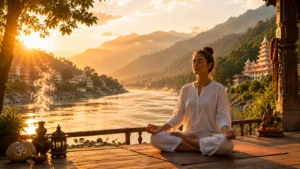
The experience of Living in Rishikesh During Yoga Teacher Training is unique because it combines traditional yogic education with the natural beauty and spiritual atmosphere of the Himalayan foothills. From early morning meditation sessions to peaceful evenings by the Ganga River, daily life in Rishikesh offers an environment that encourages focus, learning, and self-discovery.
For students arriving from different countries and backgrounds, adapting to a new culture can feel overwhelming at first. However, most discover that the supportive yoga community and peaceful surroundings make the transition easier than expected. By understanding daily life, accommodation, food, culture, and community experiences, you can approach your training with confidence and realistic expectations.
Why Rishikesh Is a Popular Destination for Yoga Teacher Training
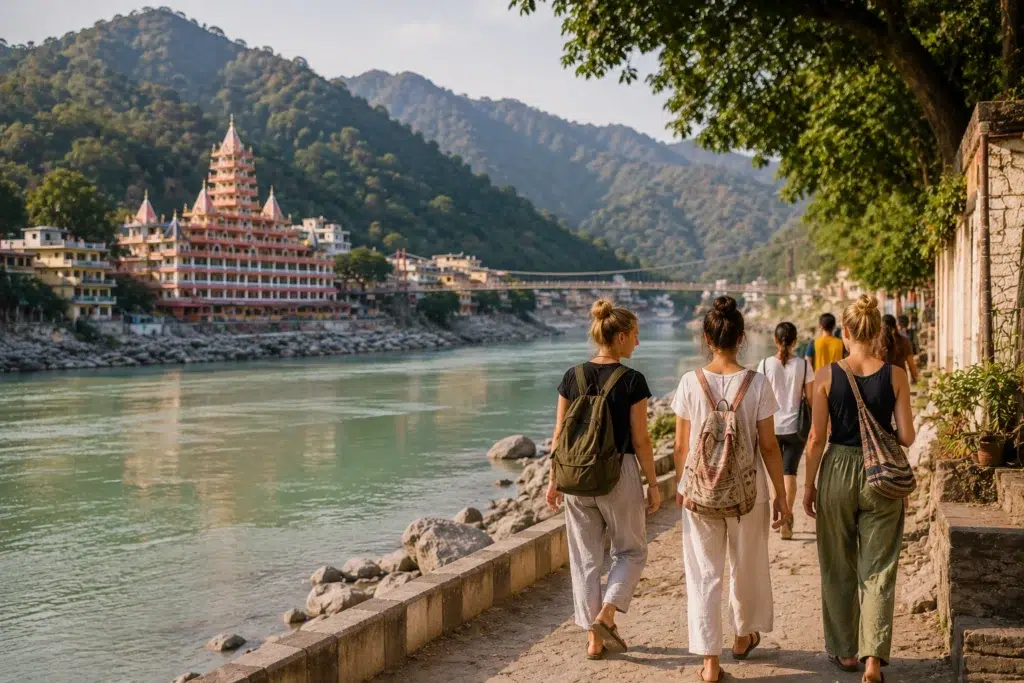
Rishikesh has earned a global reputation as the Yoga Capital of the World. Located in the foothills of the Himalayas and situated along the sacred Ganga River, the city attracts yoga practitioners, spiritual seekers, and wellness enthusiasts throughout the year.
What makes Living in Rishikesh During Yoga Teacher Training particularly special is the atmosphere itself. The city’s spiritual heritage, traditional ashrams, temples, and yoga schools create an environment where learning naturally becomes part of everyday life.
Students often find that the peaceful surroundings help reduce distractions and allow them to focus fully on their studies. Unlike large urban centers, Rishikesh encourages a slower pace of life that supports mindfulness and self-awareness.
A Typical Daily Routine During Yoga Teacher Training
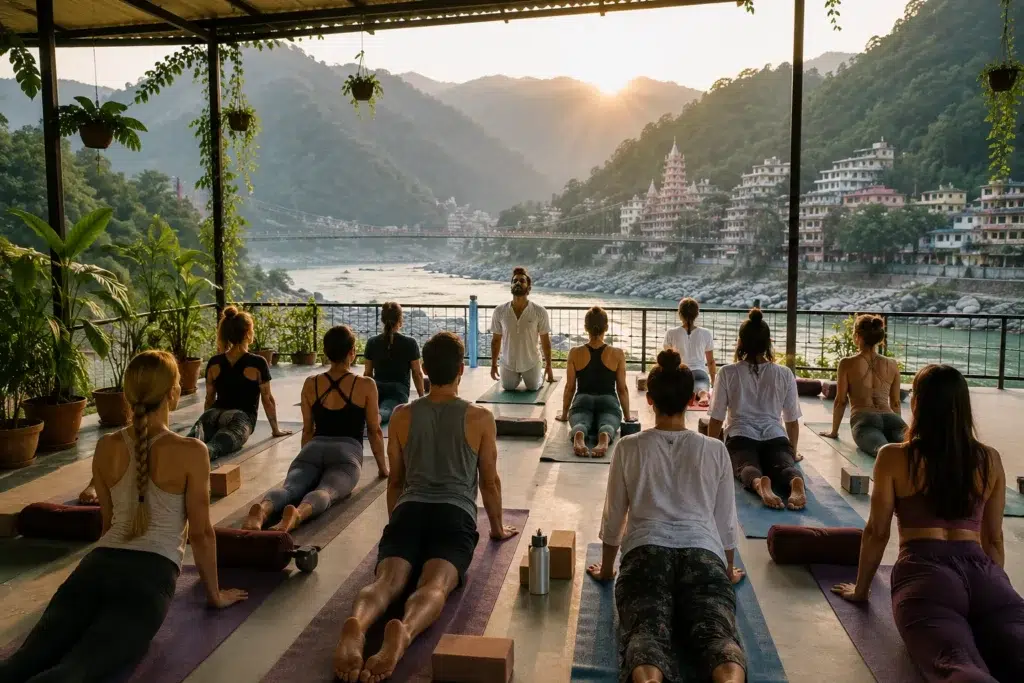
One of the biggest adjustments for students is adapting to a structured daily schedule. Most Yoga Teacher Training programs begin early in the morning and include a combination of yoga practice, philosophy, anatomy, meditation, and self-study.
Sample Daily Schedule
| Time | Activity |
|---|---|
| 5:30 AM | Wake Up |
| 6:00 AM | Meditation and Pranayama |
| 7:00 AM | Asana Practice |
| 9:00 AM | Breakfast |
| 10:00 AM | Yoga Philosophy |
| 12:00 PM | Anatomy Class |
| 1:30 PM | Lunch |
| 3:00 PM | Teaching Methodology |
| 5:00 PM | Evening Yoga Practice |
| 7:00 PM | Dinner |
| 9:30 PM | Rest and Reflection |
While schedules vary between schools, most students quickly adapt to the routine. The structured environment often helps create healthy habits that continue long after the training ends.
Accommodation and Daily Comfort
When discussing Living in Rishikesh During Yoga Teacher Training, accommodation is one of the most common concerns among prospective students.
Most yoga schools provide comfortable private or shared rooms designed to support a focused learning environment. Rooms are usually simple, clean, and equipped with essential amenities. Unlike luxury resorts, Yoga Teacher Training accommodations prioritize functionality, comfort, and tranquility.
Students often discover that living with fewer distractions allows them to concentrate more deeply on their practice. The simplicity of daily life becomes part of the learning experience itself.
What Students Can Expect from Accommodation
| Feature | Common Availability |
|---|---|
| Private Rooms | Available in many schools |
| Shared Rooms | Common and budget-friendly |
| Wi-Fi Access | Usually available |
| Attached Bathrooms | Often included |
| Laundry Services | Available in most areas |
| Housekeeping | Depends on the school |
Healthy Food and Yogic Nutrition
Food plays an important role in the experience of Living in Rishikesh During Yoga Teacher Training. Most Yoga Teacher Training schools serve vegetarian meals prepared according to yogic principles.
Meals are generally nutritious, balanced, and designed to support physical activity and mental clarity. Fresh vegetables, fruits, grains, lentils, and herbal teas are commonly included in daily menus.
Many students are surprised by how quickly they adapt to a simple and healthy diet. Without heavily processed foods and excessive stimulants, the body often feels lighter and more energized throughout the training period.
The emphasis on mindful eating also helps students develop a greater appreciation for nutrition and overall well-being.
Building Connections with an International Yoga Community
One of the most rewarding aspects of Living in Rishikesh During Yoga Teacher Training is the opportunity to meet people from around the world.
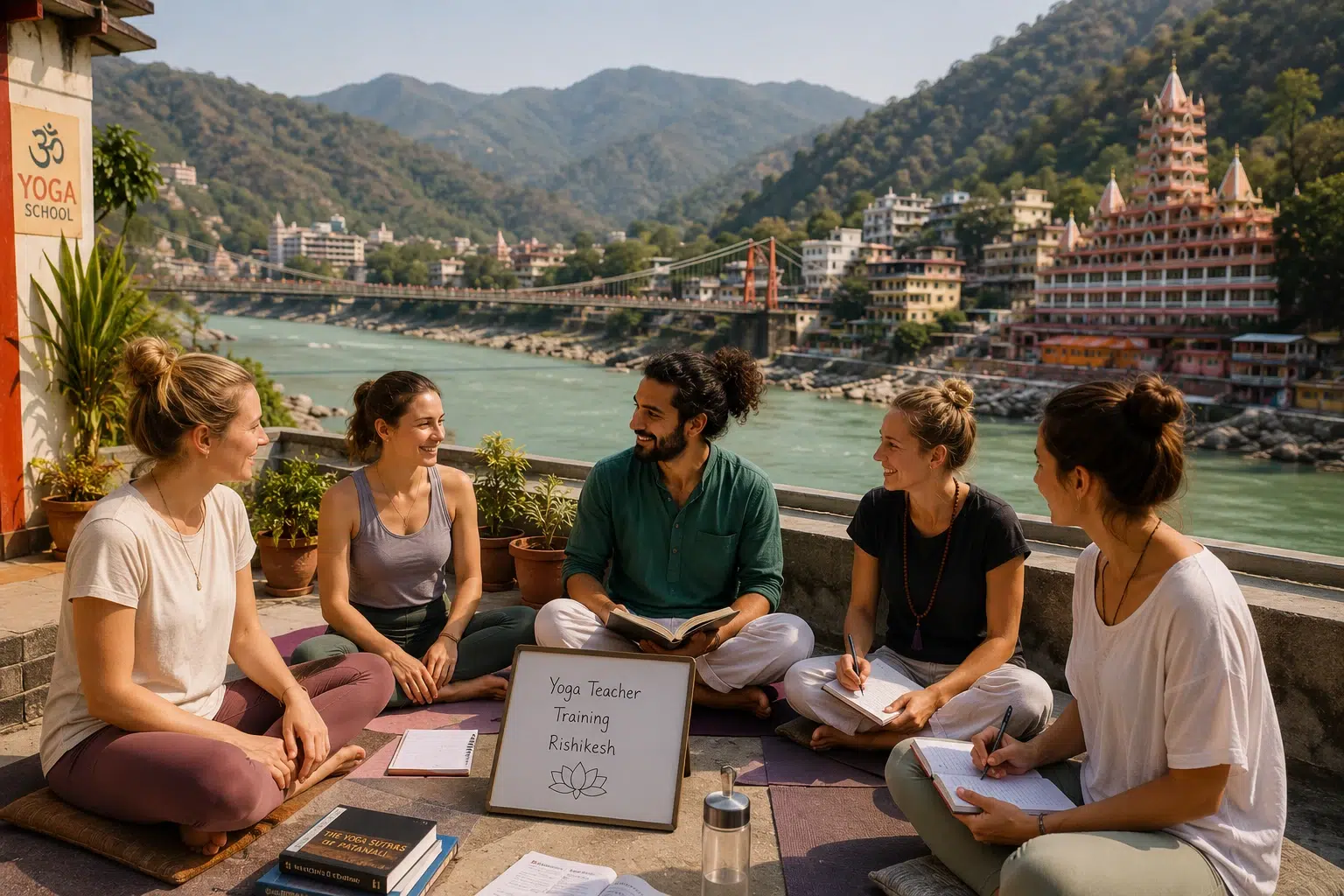
Yoga schools in Rishikesh attract students from Europe, North America, South America, Asia, Australia, and many other regions. This creates a diverse learning environment where students share experiences, perspectives, and personal journeys.
The friendships formed during teacher training often continue long after graduation. Living and learning together creates strong bonds that many students describe as one of the most memorable parts of their experience.
The sense of community can also make adjusting to a new environment much easier, especially for students traveling internationally for the first time.
Exploring Rishikesh Beyond the Classroom
Although Yoga Teacher Training programs require commitment and discipline, students usually have opportunities to explore the city during breaks or weekends.
Living in Rishikesh offers access to spiritual landmarks, scenic walking paths, local markets, and peaceful riverside locations. Spending time near the Ganga River can provide moments of reflection and relaxation after intensive study sessions.
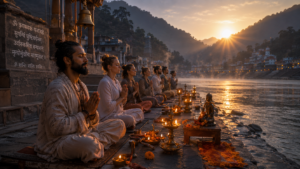
Popular attractions include traditional temples, local cafés, cultural events, and evening Ganga Aarti ceremonies. These experiences help students gain a deeper appreciation for the culture and spiritual heritage of the region.
Popular Places Students Visit
| Place | Experience |
|---|---|
| Ganga River | Relaxation and reflection |
| Parmarth Niketan Area | Spiritual atmosphere |
| Ram Jhula | Scenic walks |
| Laxman Jhula Area | Local culture and cafés |
| Local Markets | Shopping and daily essentials |
| Ganga Aarti | Traditional spiritual ceremony |
Challenges Students May Experience
While Living in Rishikesh During Yoga Teacher Training is highly rewarding, it is important to maintain realistic expectations.
Adjusting to a new climate, food, schedule, and cultural environment can take time. Some students initially find the early mornings and intensive study schedule challenging.
Homesickness may also occur, especially during longer training programs. However, most students report that these challenges gradually become part of their personal growth journey.
Approaching the experience with an open mind, patience, and flexibility often makes the transition smoother and more enjoyable.
Personal Growth Beyond Yoga
Many students arrive in Rishikesh expecting to learn yoga techniques and teaching skills. While they certainly gain those skills, the experience often leads to personal growth in unexpected ways.
The discipline required during training encourages self-awareness, time management, and mindfulness. Living in a supportive environment dedicated to learning and self-improvement can help students develop confidence both on and off the mat.
For some, the greatest lesson is not mastering advanced postures but learning how to live with greater presence, balance, and purpose.