
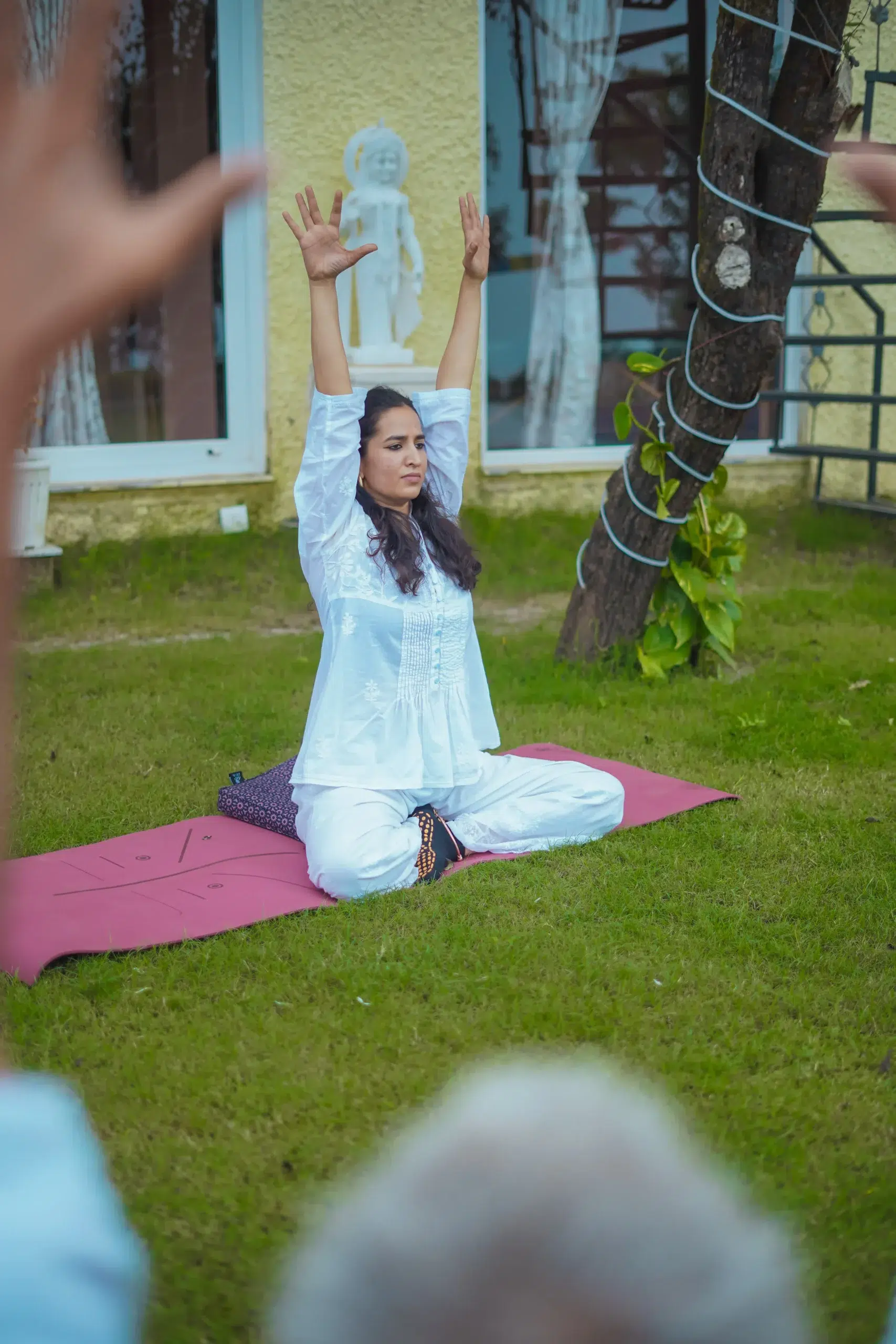
For beginners, five to seven days offers the best balance. There is time to learn the rhythm, repeat poses, attend breathing or meditation sessions and rest. Longer is not better. Choose a stay you can follow without forcing yourself; a five-day programme can beat an unsuitable fourteen-day schedule.
| Retreat length | Best for | What it can offer | Main limit |
|---|---|---|---|
| 2 to 3 days | Weekend travellers and curious beginners | A first look at classes, food and retreat life | Little time to settle or repeat lessons |
| 4 to 5 days | Beginners with limited leave | Basic routine, several classes and some rest | May feel short after travel time is removed |
| 6 to 7 days | Most first-time visitors | A full weekly rhythm and repeated practice | Requires about nine days away including travel |
| 10 to 14 days | People seeking deeper study | More repetition, feedback and quiet time | Higher cost and greater physical demand |
| 21 days or more | Serious students or special programmes | Extended study and a strong daily routine | Closer to an intensive course than a short retreat |
Is a Three Day Retreat Worth It
Three days is worthwhile when time is limited. It can introduce morning yoga, simple pranayama, meditation, vegetarian meals and retreat life. However, travel and orientation take time, while early classes may require adjustment. Choose a clear schedule, limit sightseeing and treat the stay as an introduction rather than a promise of major change. You can also see whether you like the teachers, food and rules before returning.
Why Seven Days Is a Strong First Choice
Seven days gives you several morning and evening sessions, repeated practice and time to ask questions. A lighter afternoon can also fit inside the week. Leave room for the Ganga, evening aarti, a quiet walk or sleep. Rest matters because a retreat should not feel like a race between activities. This space often makes the week feel calmer and easier to remember after returning.
When Ten to Fourteen Days Makes Sense
Choose ten to fourteen days when you already enjoy a structured yoga routine. Extra time supports repeated posture work, breathing, meditation, philosophy and teacher feedback. Check the workload because some programmes are relaxed while others have several compulsory sessions daily. Ask about rest days, optional classes and suitable changes for injuries or health conditions. It also gives international travellers more value from the long journey to northern India.
How Many Days Yoga Retreat Is Enough in Rishikesh for Your Goal
Make the goal specific. Relaxation may require fewer classes and more quiet time. Improving poses may require small groups and personal correction. Spiritual study may focus on philosophy, chanting and meditation rather than fitness. The right duration changes with the goal.
| Your main goal | Suggested stay | Reason |
|---|---|---|
| Try retreat life for the first time | 3 to 5 days | Enough for an introduction without a long commitment |
| Build a simple home routine | 5 to 7 days | Repetition helps you remember the basic sequence |
| Rest from a busy schedule | 5 to 7 days | Allows practice and unplanned quiet time |
| Improve an existing practice | 10 to 14 days | More chances for correction and teacher feedback |
| Study yoga philosophy and meditation | 10 to 14 days | Longer discussions and repeated sitting become possible |
| Test a school before teacher training | 5 to 7 days | You can assess teachers, food, rooms and daily rules |
Travel Time Changes the Answer
Rishikesh is reached by road from Dehradun airport or regional railway stations. Traffic, weather and the retreat location can lengthen the final journey. Avoid a demanding class after a long flight or overnight train. When possible, arrive before the formal programme or keep a free day nearby. This protects the days paid for as practice days.
A Realistic Seven Day Rhythm
A balanced week should include practice, learning and rest without asking beginners to perform advanced poses.
| Day | Main focus | Practical purpose |
|---|---|---|
| Arrival | Check-in, meal and orientation | Settle without rushing into a full class |
| Day 1 | Basic movement and breath awareness | Let the teacher see your current level |
| Day 2 | Repeat foundations | Learn safe alignment and simple changes |
| Day 3 | Meditation or philosophy | Add context beyond physical poses |
| Day 4 | Regular classes with free time | Balance effort with recovery |
| Day 5 | Questions and personal correction | Clear doubts before going home |
| Day 6 | Full practice and reflection | Notice what can continue at home |
| Departure | Light practice, breakfast and check-out | Leave without a hurried final morning |
Questions to Ask Before Booking
The advertised duration means little without the daily schedule. Ask when classes start, how many sessions are compulsory, whether beginners are welcome and when check-in and check-out occur.
| Check before payment | Why it matters |
|---|---|
| Number of full practice days | Nights and retreat days may not be the same |
| Daily class hours | Three intense classes may not suit every beginner |
| Group size | Smaller groups can allow more individual attention |
| Rest days and optional sessions | Free time prevents the stay from feeling crowded |
| Teacher qualifications | Training and experience affect safety and teaching quality |
| Food and accommodation | Poor sleep or unsuitable meals can affect the whole stay |
| Cancellation terms | Travel plans can change unexpectedly |
Confirm airport transfers, local trips, mats, laundry, room type and meals on travel days. Written confirmation is safer than a short social media message.
Common Mistakes When Choosing the Duration
Do not choose fourteen days only because it sounds serious, or three days only because it is cheaper. Count travel and avoid a crowded sightseeing plan. Compare the actual programme: one retreat may use gentle Hatha and meditation, while another follows a demanding physical schedule. Check the teachers, class level, free time, meals and room before deciding.
Frequently Asked Questions About How Many Days Yoga Retreat Is Enough in Rishikesh
Is 3 days enough for a yoga retreat in Rishikesh?
Three days offers a genuine taste of the practice and the environment, and it is far better than not coming at all. But in honest terms — answering how many days yoga retreat is enough in Rishikesh directly — 3 days is not enough for the nervous system to reset or for the practice to produce lasting change. It is the right choice only when 7 days is genuinely not possible.
What is the ideal duration for a first visit?
Seven days. This is the consistent answer from practitioners, teachers, and returning students when asked how many days yoga retreat is enough in Rishikesh for a first-time visitor. It is long enough to feel a real shift, short enough to manage practically, and enough to know with certainty whether a longer stay — or a Teacher Training — is the right next step.
Can a beginner do a 14-day retreat?
Yes. At Triyambakam, the retreat programmes welcome all levels including complete beginners. The question of how many days yoga retreat is enough in Rishikesh does not depend on prior experience — it depends on what the practitioner is carrying and what they are looking for. A beginner with significant burnout will benefit from 14 days more than an experienced practitioner seeking maintenance. Duration is the real answer to how many days yoga retreat is enough in Rishikesh — not experience level.
Does the season affect how many days are needed?
The season in Rishikesh affects the quality of the experience but not the answer to how many days yoga retreat is enough in Rishikesh. March to May and September to November offer the clearest weather and most conducive conditions. But the practice works in every season — and many practitioners find the winter months, with their early darkness and intense quiet, produce some of the deepest retreats of all.